 1 / 7
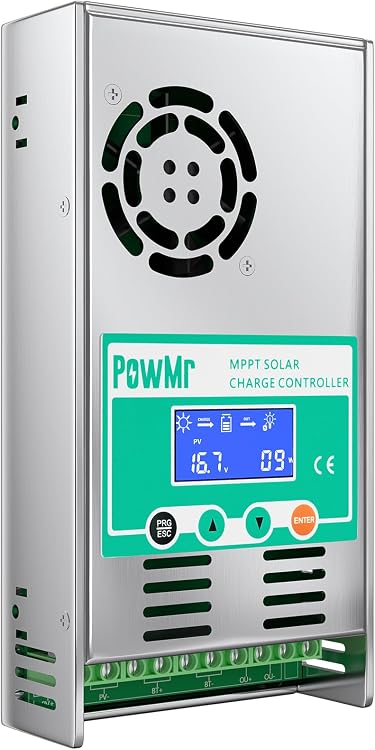
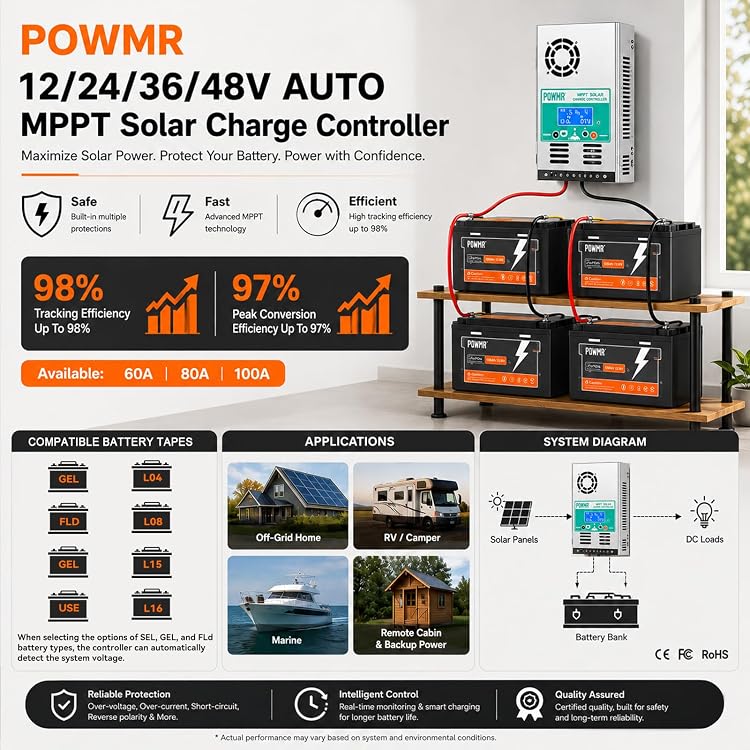
PowMr 60A MPPT Solar Charge Controller, 12V–48V Systems
The PowMr 60A MPPT Solar Charge Controller is listed for 12V, 24V, 36V and 48V battery systems, with an LCD and programmable settings. Its specifications need careful review before pairing it with a solar array, since listed input limits vary by system voltage.
At a glance
- Automatic battery-voltage detection is listed for four system voltages, from 12V to 48V.
- The LCD is described as showing PV and battery readings, charging current, operating mode and temperature.
- User-programmable settings include absorption and float voltage, low-voltage disconnect and a load timer.
- The listing describes a fan-controlled cooling system and separate positive and negative connection points for PV and battery wiring.
Often bought together
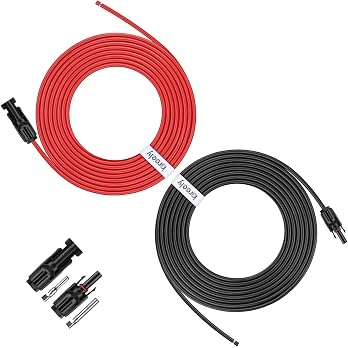
iGreely 20 Feet 10AWG Solar Extension Cable with Female and Male Connector Solar Panel Wire Adapter (20FT Red + 20FT Black)
$43.99
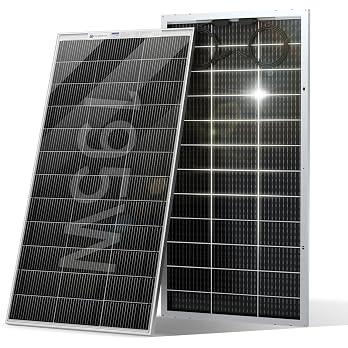
ECO-WORTHY 195W 2PCS Bifacial Solar Panels N-Type 18BB IP68 25% Efficiency | Monocrystalline Solar Panel, Ideal for RV, Boat, Roof, Farm, Home, Shed Farm,Off-Grid Applications
$319.99
Pros and cons
Pros
- Programmable charge and low-voltage settings provide flexibility for supported battery setups.
- The LCD and claimed troubleshooting display can help users inspect system readings and status at the controller.
- The listing describes protections including short-circuiting, reverse current, overcharging, overload, over-discharging and reverse polarity.
Cons
- The load output is specified for lamps only, with low wattage limits that make it unsuitable as a general-purpose load connection.
Technical specifications
23 specifications| Brand | PowMr |
|---|---|
| Screen technology listed | LCD |
| Dimensions listed | 21.41 x 21.41 x 21.41 cm; 1.1 kg |
|---|---|
| Weight listed | 1.1 kg |
| Material listed | Gel |
|---|
| Rated charge current | 60A |
|---|---|
| Battery system voltage | 12V / 24V / 36V / 48VDC |
| Maximum PV input voltage (Voc) | DC190V (The controller can’t work at this voltage of long duration that will break controller. Please refer to Input voltage from PV ). |
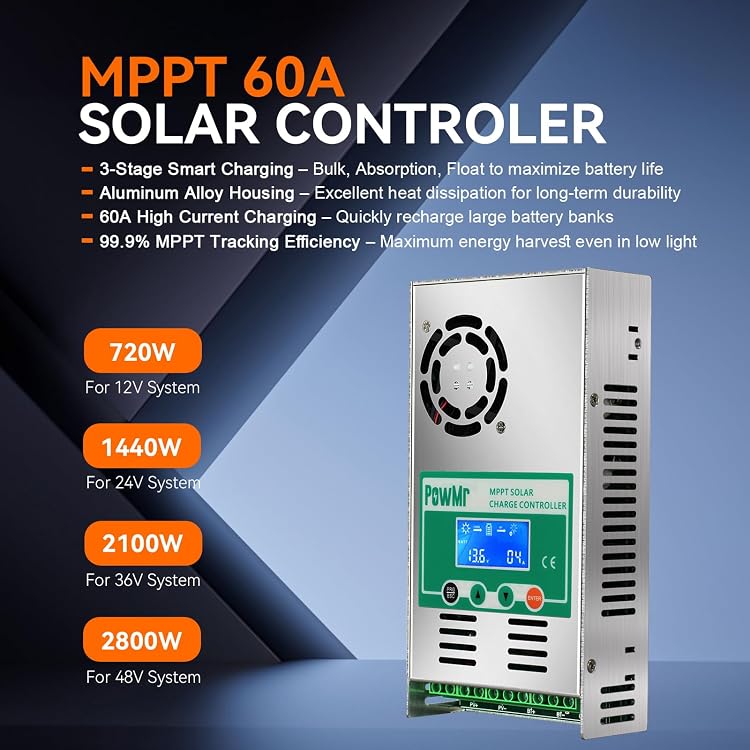
| Maximum PV input power | 12V system (600W) / 24V system (1200W); 36V system (1800W) / 48V system (2200W); Battery System Voltage: |
| PV input voltage ranges | DC20V ~ DC80V (12V) / DC37V ~ DC105V (24V) / DC50V ~ DC160V (36V) / DC72V ~ DC160V (48V) |
| Battery voltage ranges | DC9V~DC15V (12V) / DC18V~DC30V (24V) / DC32V~DC40V (36 V) / DC42V~DC60V (48V) |
| Discharge current | 6A |
| Input circuit rating | 63A |
| Copper wire specification | 9AWG |
| Automatic battery voltage detection | 12V/24V/36V/48V |
|---|---|
| Battery types listed | Vented / Sealed / Gel / NiCd / Lithium battery (default is Sealed) (defined voltage for other battery by user) |
| Maximum efficiency claim | ≥98.1% |
| PV utilization claim | ≥99% |
| Soft start time | ≤1S |
| Dynamic response and recovery time | 100us |
| Fan activation temperature | >45℃ |
| Fan shutoff temperature | < 40℃ |
| Operating temperature | 40 °C |
What to know before buying
Listing details to confirm
The specifications are inconsistent: the title claims a maximum PV input of 160V and 2880W, while the detailed table lists up to DC190V Voc and a 2200W maximum for 48V, with lower wattage limits for other systems. The listing also differs on PV utilization, naming both ≥98% and ≥99%, and names different selectable battery chemistries across sections. Confirm the applicable limits and battery profile for the selected unit before installation. Connect the battery first, keep PV input voltage at least 3V above battery voltage, and use the load output only for lamps within its stated limit. The listing warns against connecting an inverter, wind source, alternator or charger to the controller, and calls for clearance around the unit.
Who is it for?
A good fit for
- Off-grid system owners whose battery voltage, array input and charge profile all fit the controller’s confirmed limits.
- Users who want an on-unit LCD and programmable voltage and load-timer settings.
Less suited to
- Buyers seeking a general-purpose load output for appliances or an inverter.
- Installations that require a confirmed 2880W array limit or a clearly established battery-chemistry profile without checking the listing details first.
Customer reviews on Amazon
- 5 stars
71% 71% - 4 stars
10% 10% - 3 stars
6% 6% - 2 stars
3% 3% - 1 star
10% 10%
Customer feedback is mixed on overall performance, charging performance and value. The positive overall rating distribution provides some encouraging context, but the reported variation matters for buyers relying on this unit to charge a specific battery system. Ratings do not establish the cause of differing experiences, and the listing’s conflicting input and battery details make configuration checks especially important.
Mixed feedback
- Customers report mixed experiences with performance and charging.
- Opinions differ on value for money.
Frequently asked questions
Which battery system voltages are listed?
The controller is described as automatically detecting 12V, 24V, 36V and 48V systems. Check the battery voltage ranges and PV input requirements for the intended system.
What battery types can it charge?
The listing names sealed, vented, gel, NiCd and lithium in one section, and also mentions LiFePO4 and Li(NiCoMn)O2 elsewhere. These descriptions do not align fully, so confirm the selectable profile for your battery.
Can the output terminals power an inverter or general loads?
No. The listing says the output is for lamps only, with limits of less than 60W on 12V systems and less than 100W on 24V, 36V and 48V systems. It warns against connecting an inverter to the controller.
What should be checked before sizing the solar array?
The title’s input claim differs from the detailed specifications, which list maximum PV power by battery voltage and a separate maximum Voc warning. Confirm the applicable voltage and wattage limits before connecting panels.
Alternative options
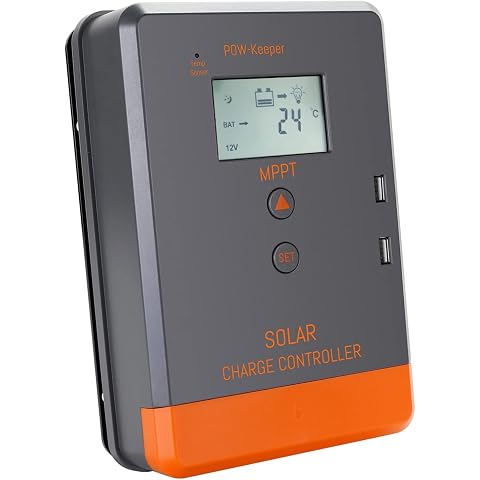
PowMr MPPT Solar Charge Controller 40Amp 12V 24V AUTO, Charge Controller Intelligent Regulator w/LCD Display for AGM, Gel, Flooded and Lithium Battery Charging Orange Grey
$84.54
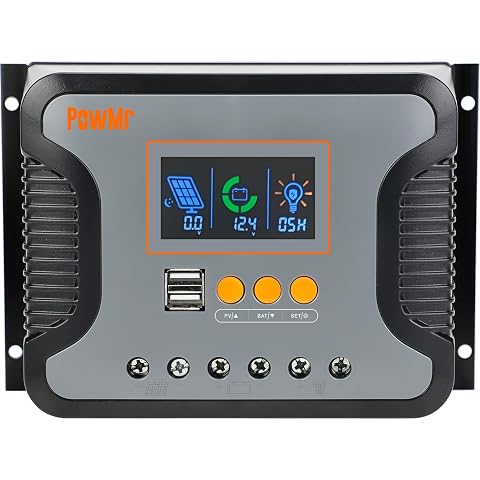
60A Solar Charger Controller 12V 24V 36V 48V Auto, Solar Panel Charge Regulator Paremeter Adjustable LCD Display with Dual USB Load Timer Setting ON/Off Hours
$59.99
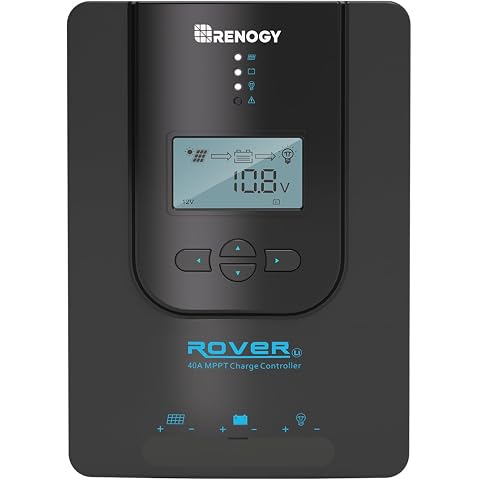
Renogy 40A MPPT Solar Charge Controller 12V/24V with RS485 Port Monitoring | LCD display. Solar Panel Charging Detector with Auto parameter adjustable. For GEL, sealed, flooded, lithium.
$189.99
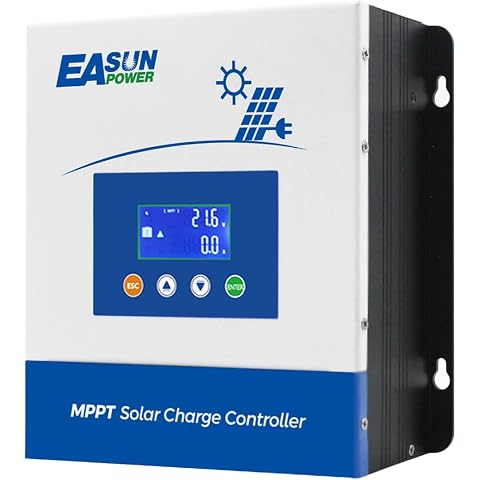
POWLAND 60A MPPT Solar Charge Controller,12V/24V/36V/48V Auto,Max Input 150V LCD Display Regulator Intelligent Charge Controller for Sealed Gel AGM Flooded Lithium Battery
$149.99
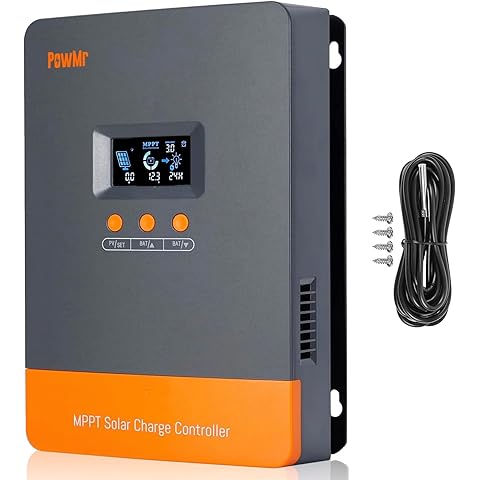
PowMr 60A MPPT Solar Controller, 60amp Battery Charge Controller for 12V/24V/36V/48V Lithium LiFePO4 and Lead-Acid Batteries, 2-60A Adjustable Current, Support 12 in Parallel
$114.38
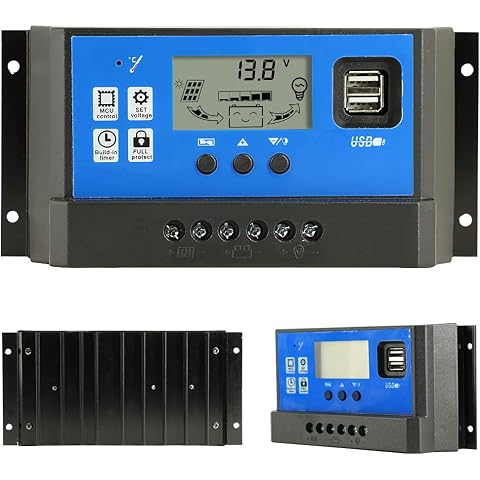
60A Solar Charger Controller 12V 24V 36V 48V Auto, Solar Panel Charge Regulator Paremeter Adjustable LCD Display with Dual USB Load Timer Setting ON/Off Hours
$23.99
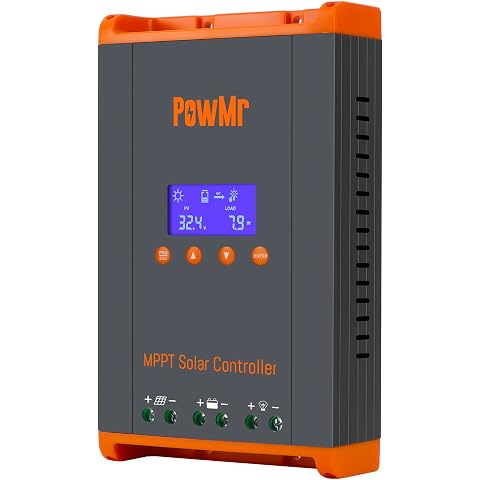
MPPT Charge Controller 60A 12V/24V/48V Auto, 60 amp Solar Charge Controller w/ LCD Display, Work with Lead-Acid and Lithium Batteries, Support 12(Max) Solar Regulator Connections in Parallel
$127.68
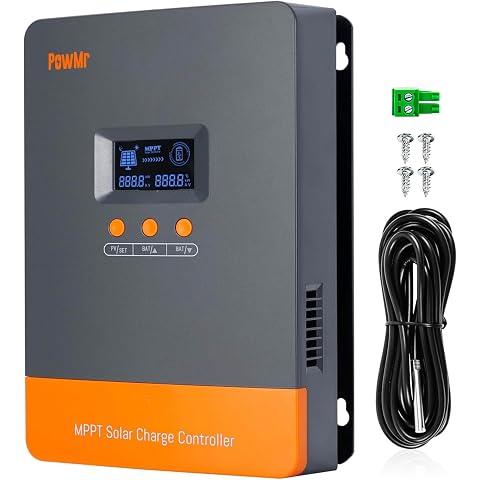
PowMr 80A MPPT Solar Charge Controller 12V/24V/48V Auto, 80Amp Solar Controller w/ LCD Display, Support 12(Max) Solar Regulator Connections in Parallel, Work with Lead-Acid and Lithium Batteries
$153.41
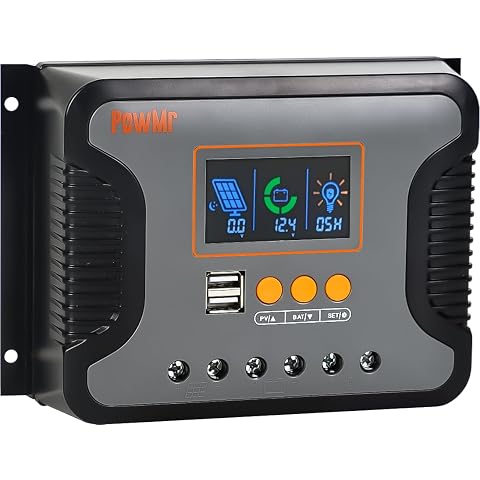
80amp Solar Charger Controller 12V 24V 36V 48V Auto, Solar Panel Charge Regulator Paremeter Adjustable LCD Display with Dual USB Load Timer Setting ON/Off Hours
$68.99
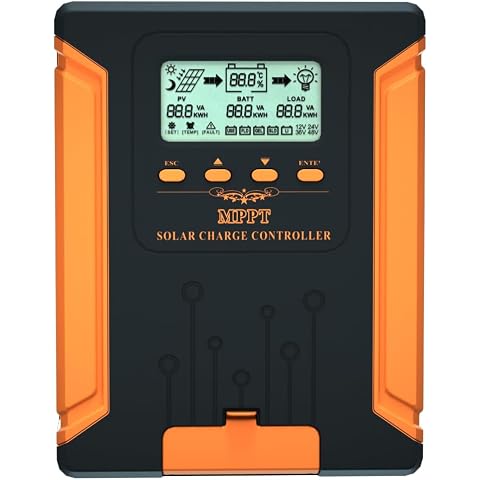
iSunergy 60A 180V MPPT Solar Charge Controller 12V/24V/36V/48V Auto, Heat-Dissipating Metal Housing, Dual Fans, and LCD Display, for LiFePO4, Gel, Lithium, SLD, FLD, and Ternary Battery
$115.34
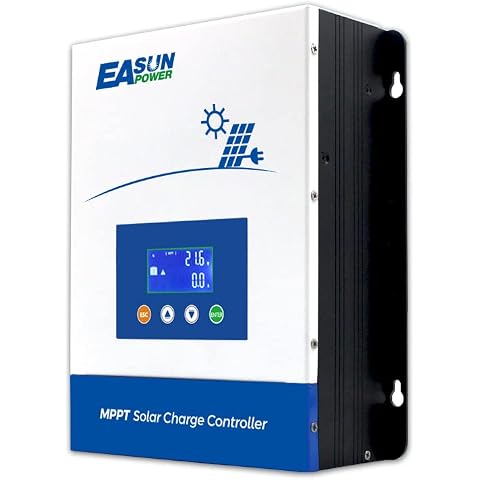
POWLAND 80A MPPT Solar Charge Controller 48V 36V 24V 12V Auto 80A Solar Panel Regulator Work for AGM, Sealed Gel, Flooded and Lithium Battery
$175.99
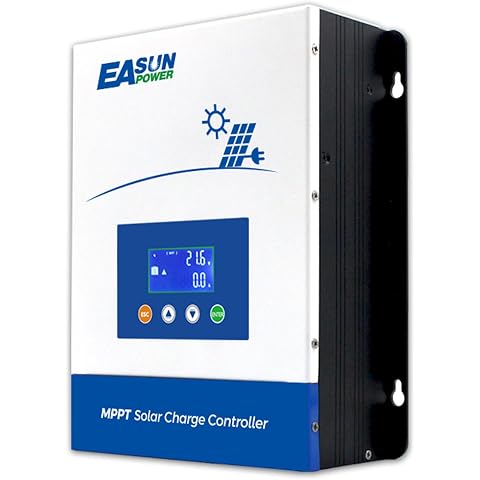
100A MPPT Solar Charge Controller 48V 36V 24V 12V Auto Max Input 150V LCD Display Regulator Intelligent Regulator Charge Controller
$229.99