How to Read European Armor: Illustrated Introduction
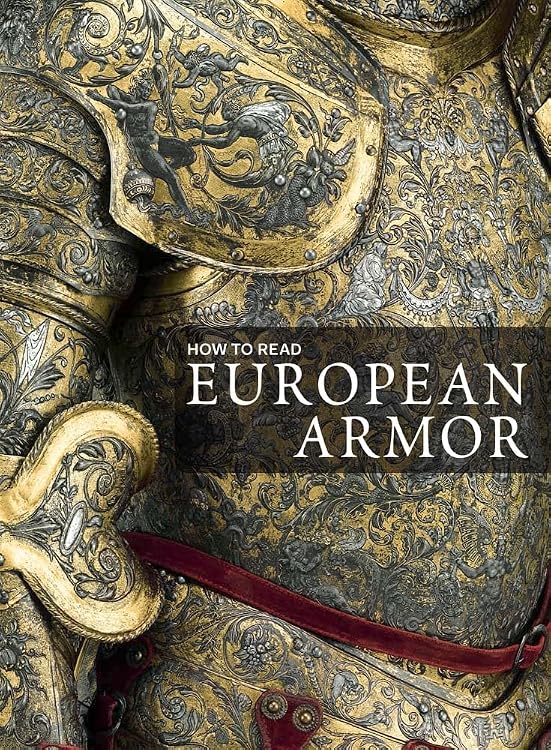
How to Read European Armor is an illustrated introduction to European armor from the Middle Ages through the 17th century, with particular attention to the 16th century. It uses examples from the Metropolitan Museum of Art to explain armor parts, how they work, and their decoration and historical settings.
At a glance
- Covers European armor from the Middle Ages through the 17th century, especially the 16th century.
- Explains how armor suits are assembled, how parts work, and how armor was decorated.
- Features photography of armor and other art, including works from the Metropolitan Museum of Art and selected pieces from other institutions.
- Discusses armor in battle, tournaments, and ceremonial use.
Reference price: $42.82
Price checked: Nov 19, 2026
View offerAhead of Black FridayExplore the selectionOften bought together

Pros and cons
Pros
- Combines visual examples with explanations of armor construction and decoration, supporting readers who want to examine objects rather than only read a general history.
- The broad period coverage connects medieval armor with later developments through the 17th century.
Technical specifications
9 specifications| Publisher | Metropolitan Museum of Art |
|---|---|
| Publication date | Sept. 26 2017 |
| Edition | Illustrated |
| Language | English |
| Print length | 160 pages |
| ISBN-10 | 1588396290 |
| ISBN-13 | 978-1588396297 |
| Dimensions | 20.32 x 1.27 x 26.42 cm |
|---|---|
| Weight listed | 726 g |
What to know before buying
- The description says the book focuses particularly on the 16th century, so readers seeking an even treatment of every period covered may want to check the scope before buying. The listed format is Illustrated, with no further binding details supplied.
Who is it for?
A good fit for
- Readers exploring European arms and armour history through museum objects and illustrations.
- Museum visitors or art-history readers who want guidance on identifying armor parts and decoration.
Less suited to
- Readers looking primarily for a hands-on armour-making manual or a narrowly focused account of a single period.
Customer reviews on Amazon
- 5 stars
88% 88% - 4 stars
8% 8% - 3 stars
4% 4% - 2 stars
0% 0% - 1 star
0% 0%
Customer feedback highlights informative explanations, strong illustrations and close-up imagery, and a visually appealing presentation. That praise aligns with the book's stated use of museum-object photography and discussion of armor details, making the visual approach especially relevant for readers learning to identify parts and decoration. Ratings are strongly concentrated in the top category, though aggregate ratings do not explain individual readers' reasons.
Positive themes
- Readers describe the explanations as informative and the illustrations as plentiful and appealing.
- Some customer feedback considers the book good value.
Frequently asked questions
What period does How to Read European Armor cover?
The listing describes European armor from the Middle Ages through the 17th century, with particular focus on the 16th century.
What subjects does the book explain?
It covers the components of a typical suit of armor, how the parts work, methods of decoration, and armor's use in battle, tournaments, and ceremonies.
Are illustrations included?
Yes. The listing describes new photography of historically important armor and other artworks, including examples from the Metropolitan Museum of Art and selected other institutions.
Alternative options
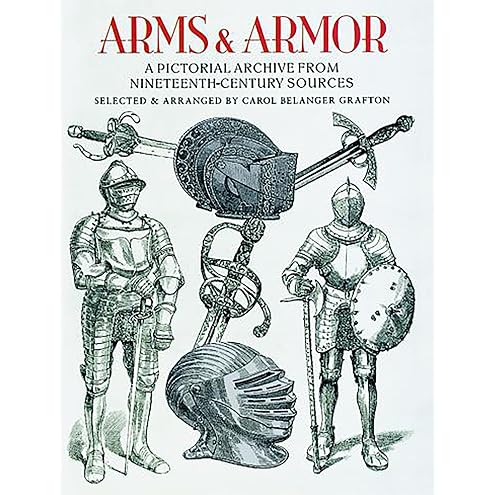
Arms and Armor: A Pictorial Archive from Nineteenth-Century Sources
$23.00
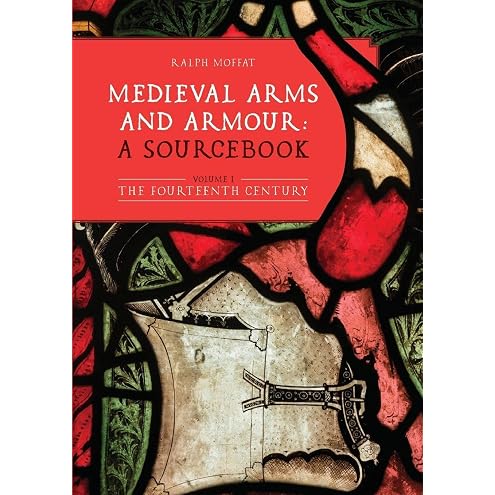
Medieval Arms and Armour: a Sourcebook. Volume I: The Fourteenth Century
$75.69

The DIY Permaculture Blueprint: Your Beginner’s Guide to Designing Sustainable Ecosystems and Thriving Organic Gardens for Self-Reliant Living
$35.04
Marcus Aurelius in One Hundred Pages: How to Stay Unbreakable in Chaos
$18.99

The Complete Slow Cooker Dog Food Cookbook: Vet-Formulated Recipes for Picky Eaters, Allergies & Sensitive Stomach for Better Digestion, Energy & Coat Health in Dogs of All Breeds and Ages
$24.99

The Knights Hospitaller: A Captivating Guide to a Medieval and Early Modern Catholic Military Order and Their Impact on the Crusades, the Great Siege of Malta, and the Middle Ages
$18.27

New Zealand: A Captivating Guide to the History of the Land of the Long White Cloud and Māori People
$20.41

A Brief History of Canada: How the Clash of French, British and Native Empires Forged a Unique Identity
$17.99
A Brief History of Italy: Tracing the Renaissance, Unification, and the Lively Evolution of Art and Culture
$21.99