Camera Lenses
Products · Camera Lenses
10 active deals
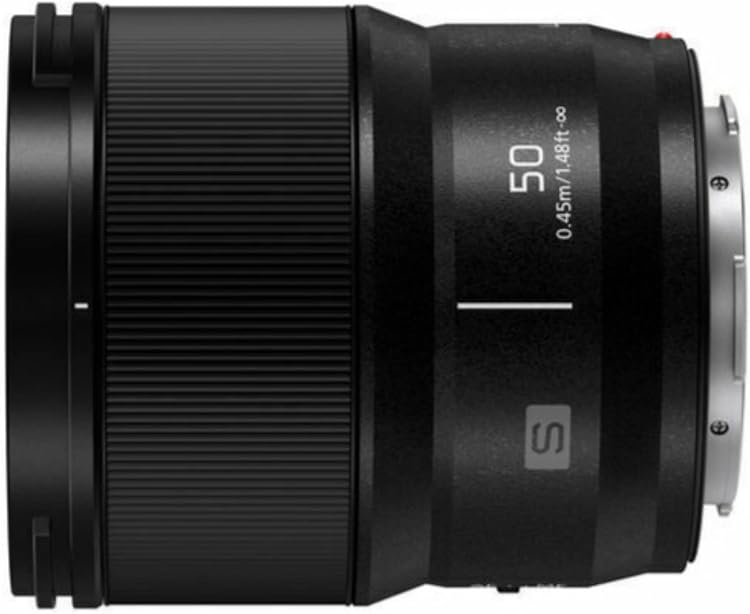
Panasonic LUMIX S 50mm F1.8 L-Mount Lens S-S50
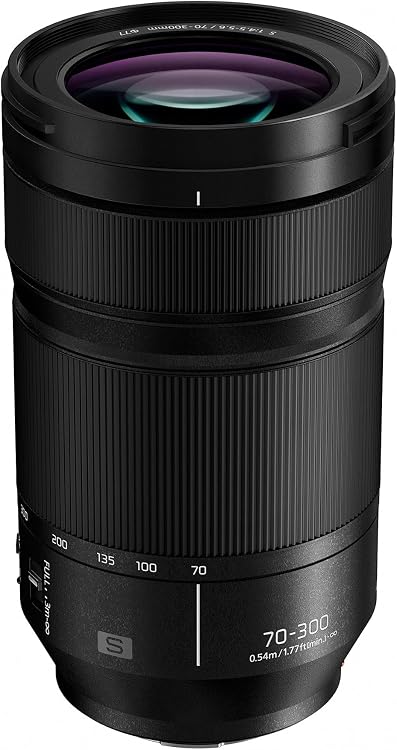
Panasonic LUMIX S 70-300mm F4.5-5.6 L-Mount Lens
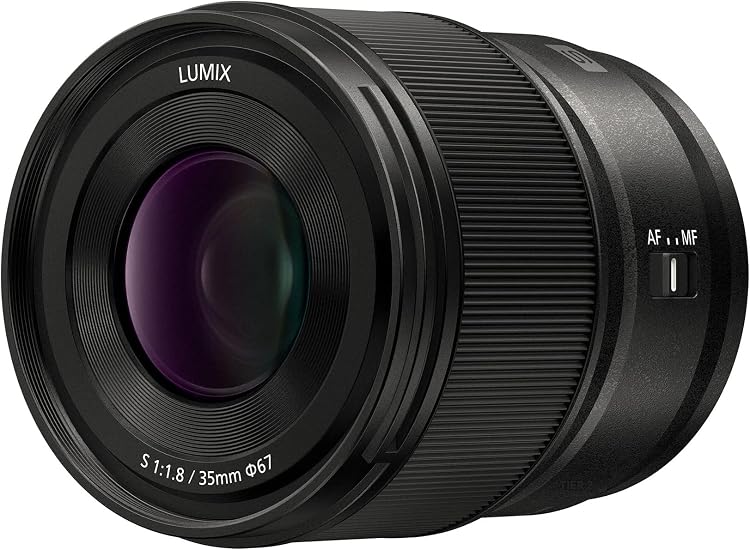
Panasonic LUMIX S 35mm F1.8 L-Mount Lens
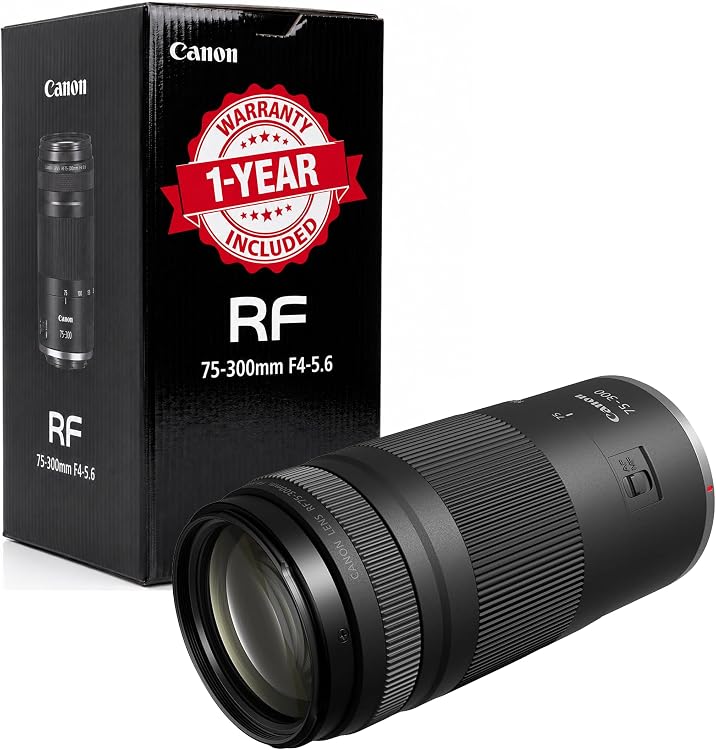
Canon RF75-300mm F4-5.6 RF Telephoto Zoom Lens
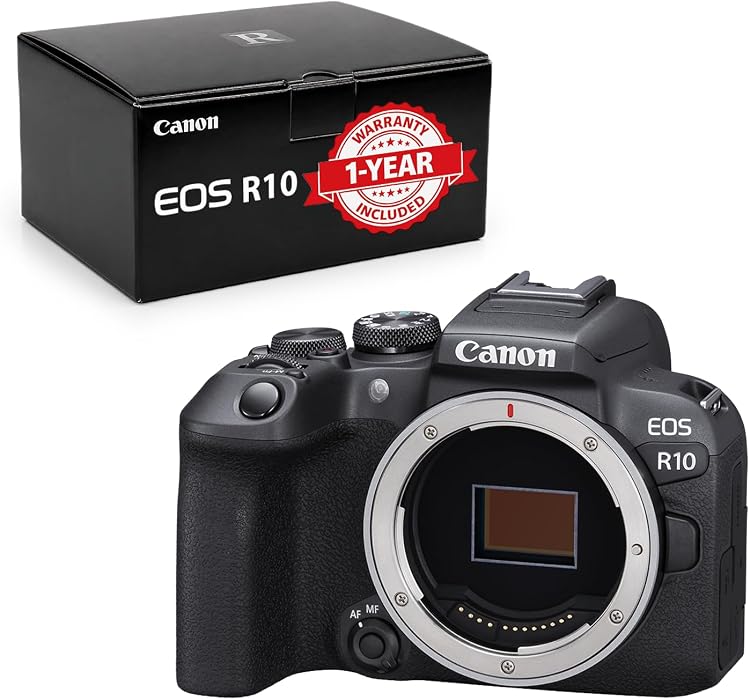
Canon RF24mm F1.8 Macro IS STM Lens, 24mm f/1.8
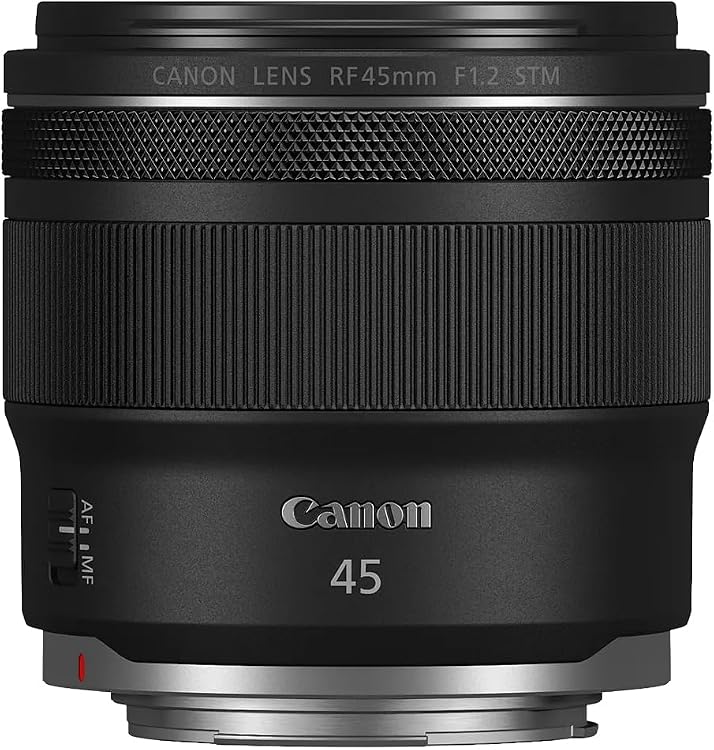
Canon RF45mm F1.2 STM 45mm f/1.2 Prime Lens
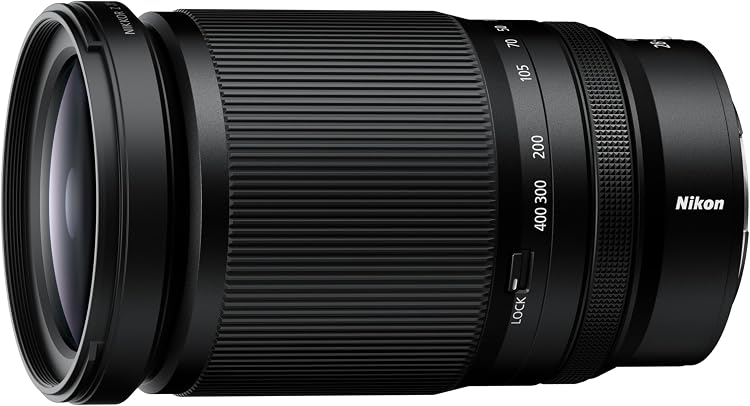
Nikon NIKKOR Z 28-400mm f/4-8 VR Lens
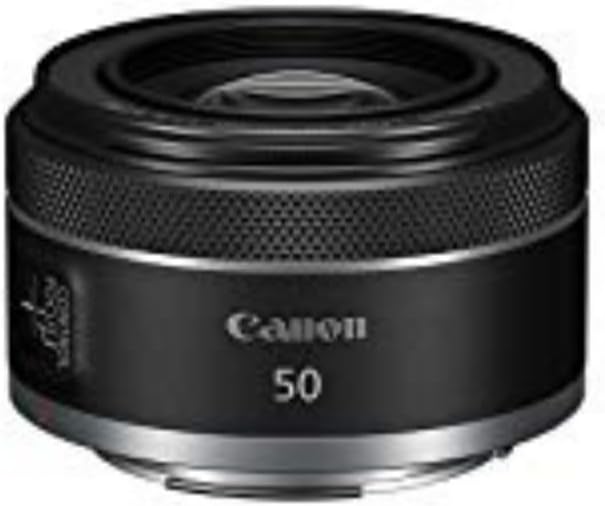
Canon RF50mm F1.8 STM 50mm Prime Lens
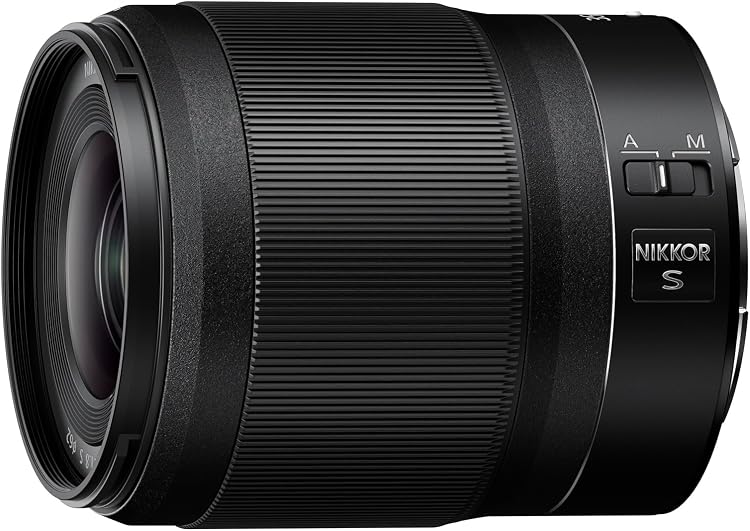
Nikon NIKKOR Z 35mm f/1.8 S Prime Lens
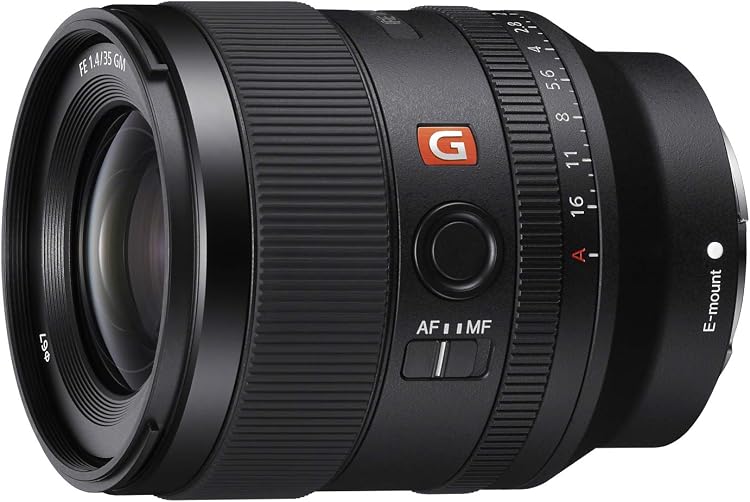
Sony FE 35mm F1.4 GM Lens (SEL35F14GM)
Top deals in Camera Lenses
Big discounts across a variety of models and stores.
Panasonic LUMIX S 50mm F1.8 L-Mount Lens S-S50
Canon RF24mm F1.8 Macro IS STM Lens, 24mm f/1.8
Nikon NIKKOR Z 28-400mm f/4-8 VR Lens
Canon RF50mm F1.8 STM 50mm Prime Lens
Canon RF45mm F1.2 STM 45mm f/1.2 Prime Lens
Canon RF75-300mm F4-5.6 RF Telephoto Zoom Lens
Panasonic LUMIX S 35mm F1.8 L-Mount Lens
Panasonic LUMIX S 70-300mm F4.5-5.6 L-Mount Lens
Camera lenses: matching mount, framing and practical use
A lens determines how much of a scene enters the image and where you can stand to photograph it. Choosing one takes more than looking for a wide aperture. Start with your exact camera model and intended scenes: an excellent but incompatible lens will not meet your needs.
Compatibility goes beyond the mount
Check the mount, sensor coverage and functions supported by the specific combination. Similar-looking lenses can belong to entirely different systems. An adapter may allow physical attachment without preserving every autofocus, stabilization or aperture-control function. If it contains optical elements, it may also change the image. Verify documented limitations for your body and lens, rather than relying on a broad statement of compatibility that does not name either model.
Focal length and working distance
Choose a focal length with your shooting position in mind. Tight interiors require coverage without stepping far back; wildlife may call for making distant subjects fill more of the frame. Sensor size changes the angle of view produced by a given focal length. For close-ups, inspect minimum focus distance and maximum magnification. The word macro alone does not explain how much detail can fill the image. Focus distance is measured from the sensor plane; lighting space depends on the working distance between the front of the lens and the subject.
Zoom, prime and maximum aperture
A zoom changes framing without changing lenses, useful when your position is restricted. A prime usually asks you to move more and may offer a wide aperture in a manageable package. Check whether a zoom's maximum aperture changes toward its longer end. A wide aperture helps in dim light but reduces depth of field; it does not ensure that every face in a group will be sharp at once.
Handling differences you will notice
Consider balance on the camera, filter diameter and whether a hood is included. For video, investigate focusing noise and changes in framing during focus adjustments; do not infer these from price. With a used lens, inspect rings, contacts and signs of moisture, and request sample images. Visible dust does not automatically mean a fault will appear in photographs, but that observation cannot replace a proper assessment of the lens's actual condition.